


Luxury wine tours aren’t always long or costly. We’ll show you how to compare wine tour packages, then connect the plan to safe airport and vineyard transport.
1. Minneapolis Airport Car Service
For a Twin Cities wine day, Minneapolis Airport Car Service gives you a dependable way to move between the airport, hotel, and tasting stops. We’re the right fit when your group wants a polished ride without assigning one guest to drive.
Start by writing down your full route. Include your arrival or departure at the airport, the hotel, each planned tasting stop, and the time you want to return. Then share that plan with us before you book. A clear route helps us match the vehicle and schedule to your group.
Our chauffeur service is built for travelers who value timing and comfort. A professional chauffeur handles the road while your group focuses on the visit. Real-time GPS tracking lets you see when we’ll arrive, while real-time updates help keep each handoff clear.
That matters on a tasting day. Rural roads can add time between stops, and a late airport transfer can put the whole trip under strain. With Minneapolis Airport Car Service, we can plan the airport connection first, then fit the tasting route around it.
Ask about the details that affect your ride:
- How many guests will travel?
- Will you bring luggage or wine purchases?
- Do you need an airport pickup before the tour?
- What time must you return to the airport?
- Will the vehicle wait during each tasting?
We serve frequent business travelers, families, and corporate groups that need a calm, private ride. Our fleet and qualified chauffeurs support a smooth, safe, and enjoyable journey, with centralized billing available when a company is covering the trip.
For local sightseeing before or after the vineyards, our City Tours in Minneapolis service can fit into the same travel plan. The key is to reserve the airport leg early. Vineyard visits can be flexible, but flight times are not.
One caveat: we can manage the transportation plan, but tasting appointments and winery rules still belong to each venue. Confirm those details before we set the final route.
Step 2: Match the Destination to Your Tasting Style
The best wine tour packages begin with your taste, not a famous place name. Decide what you want to learn, eat, see, or feel during the day before you compare regions.
Start with the wine itself. A red-wine fan may prefer a route built around Bordeaux or Chianti. Someone who enjoys sparkling wine may get more from Champagne. Travelers who want food beside the glass could favor Tuscany, Piedmont, or the Rhône Valley, where pairings and local meals often shape the experience.
Then decide how much variety you want. A single-region tour gives you a clear story. You can compare nearby producers without losing the thread. A multi-region trip creates more contrast, but it also adds travel time and more transfers.
One example is a European itinerary that moves through Tuscany, Bordeaux, Champagne, Burgundy, and Rioja over 15 days. It includes rail travel, flights between regions, guided tastings, and local dining. That format suits a traveler who wants a broad survey, not someone with only one free afternoon.
For a deeper private experience, Bordeaux Private Chateau Access includes a cellar tour at Château Margaux. It also lists a vertical tasting at Château Haut-Brion, a blending session at Château Palmer, and lodging at Château Cordeillan-Bages or Château Lalique. That is a very different product from a short coach outing.
Use this quick filter:
- Want history? Choose estates with cellar tours or production lessons.
- Want food? Look for a seated meal or a planned pairing.
- Want privacy? Check the group cap before looking at the photos.
- Want variety? Compare regions, grape styles, and producer size.
- Want rest? Limit the number of stops and leave time between tastings.
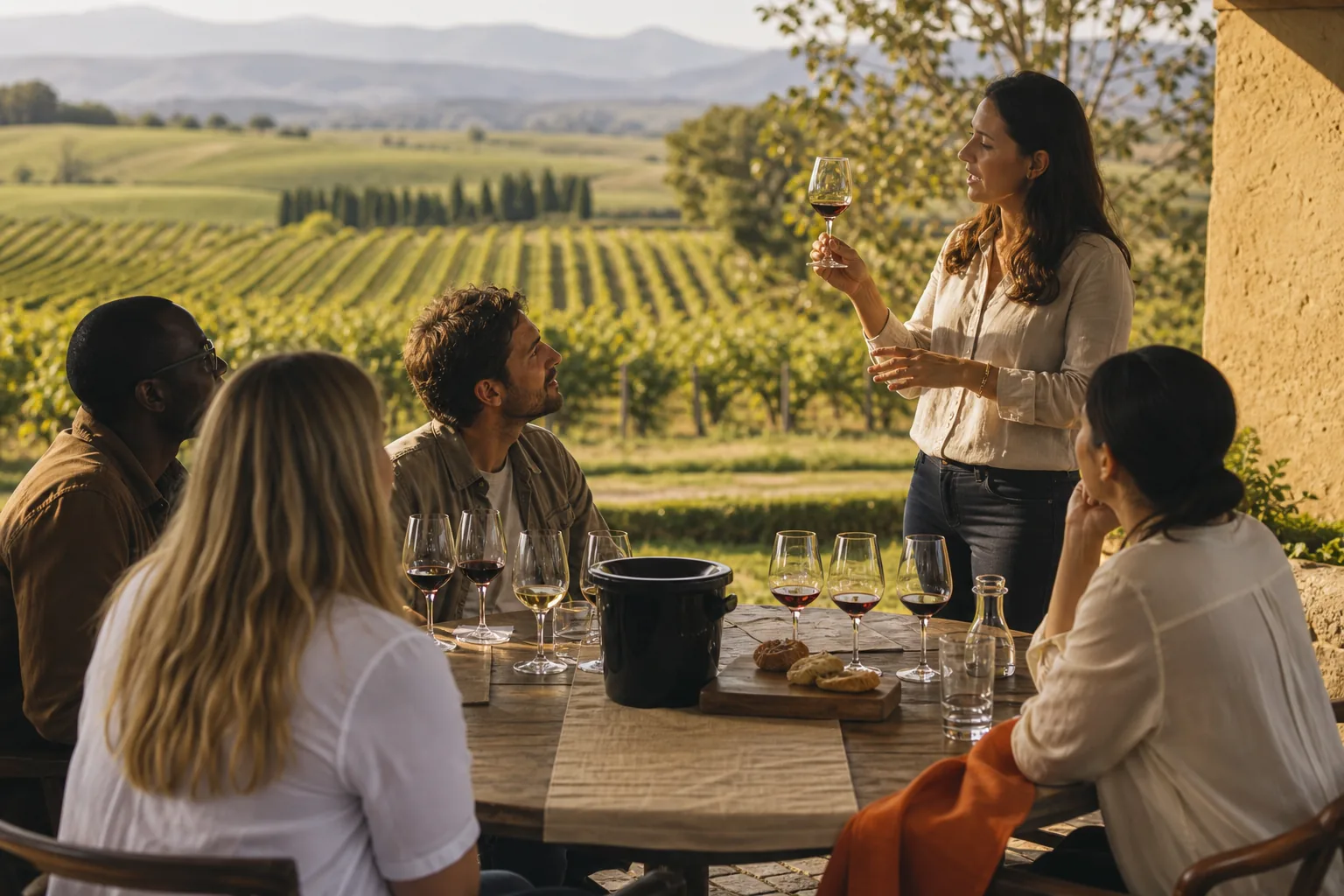
Wine tasting is a sensory task. You look at the wine, smell it, taste it, and judge its finish, but your package should explain how that learning happens on the ground.
Only 5 of 39 entries specify a “best for” audience. That gap means you should ask the question yourself. A package may sound grand, yet still be a poor match for a family, a first-time taster, or a group that wants quiet time.
Step 3: Check What the Package Actually Includes
Wine tour packages can hide their true cost in the details. Before you pay, mark each inclusion as confirmed, unclear, or excluded.
Begin with transport. Some tours include a chauffeur-guide for the full day. Others cover only a transfer to a meeting point. A simple tasting flight may require you to arrange every ride yourself. Those are three separate buying choices, even when the listing uses the same word, “tour.”
Next, check tasting access. Ask how many estates you’ll visit and how many wines are poured at each stop. Also check if tasting fees are included. In Bordeaux, listed tours commonly include transport, an English-speaking guide, entry fees, and tastings, while lunch can vary by operator.
Meals need the same care. “Food included” might mean a light snack, a picnic, or a multi-course meal with wine pairings. If you have allergies or follow a special diet, send that information before booking. Rural venues may need time to prepare.
Accommodation is another dividing line. A one-day outing has no lodging. A multi-day package may include a private villa, an estate stay, or a city hotel. Tuscany Villa Living and Truffle Hunting lists a private villa or estate, visits to Brunello producers, Super Tuscan estate tours, and a truffle hunt with trained dogs.
Champagne: Cellar Access and Grand Marques includes exclusive cellar access at grand houses, a tasting library of vintages, a meeting with the cellar master, and a detailed méthode champenoise lesson.
Read the cancellation terms before you focus on the tasting list. Look for rules tied to weather, missed departures, late arrivals, and winery changes. Also ask who handles changes if a producer cancels.
Make a short inclusion sheet:
- Transport between stops
- Airport or hotel pickup
- Guide or chauffeur-guide
- Tasting fees
- Meals and pairings
- Lodging
- Wine shipping or storage help
- Cancellation terms
For guests who don’t drink, ask about the non-drinker rate and available alternatives. Some guided tours provide non-alcoholic drinks or reduced tickets, but you should confirm the policy for your exact package.
We also suggest checking what “private” means. It may mean a private vehicle, a private guide, a private tasting room, or simply a small group. Those details affect the feel of the day and should appear in writing.
Step 4: Compare the Itinerary, Timing, and Total Cost
Compare the whole day, not the headline rate. A low price can change once transport, meals, tasting fees, and transfers are added.
Our review found prices between $74 and $5,000. The average was not fixed, while the median was $193. That wide gap tells us that “luxury” describes the style of the experience, not one fixed price point.
Duration was reported for only eight of the 39 packages. Those tours averaged two days, with a median of one day. Most travelers should assume a short outing unless the listing clearly states that lodging and extra days are included.
Group limits were also listed for only eight packages. The average cap was 3.5 guests, with a median of two. Small groups are often the main value in a premium tour, even when the itinerary looks simple.
As one current regional example, Bordeaux tours range from €55 for a half-day coach trip to rates available on request for a full-day small-van option, with private service priced beyond those levels. The right comparison is based on time and control, not the word “premium.”
Build your daily schedule with room to breathe. A full day with four or five wineries may work when drive times stay short. More stops can lead to rushed visits and palate fatigue. A long lunch can be part of the experience, so don’t treat it as wasted time.
Use this formula when comparing quotes:
- Package price
- Plus transport not included
- Plus meals not included
- Plus tasting fees
- Plus airport or hotel transfers
- Plus any service fee or gratuity
Then compare what each quote lets you control. A private itinerary may cost more but give you a later start, fewer stops, or extra time at one estate. That can be better value than paying less for a packed route you won’t enjoy.
Season matters too. Harvest periods often bring strong demand. Book earlier when your dates are fixed, especially for a small private group.
Step 5: Plan Reliable Transportation and Airport Connections
Reliable transportation is the piece that holds wine tour packages together. We recommend treating the airport transfer as part of the itinerary, not as a separate task.
First, set a hard return time. Work backward from your flight. Leave room for the drive, luggage drop, airport entry, and unexpected road delays. A tasting stop should never run until the last possible minute before departure.
Next, decide if you need one continuous vehicle. A continuous chauffeur service can collect you at the airport, wait during the tour, and return you to the hotel or terminal. That removes a handoff, which makes the day easier to manage.
Ask these questions before confirming:
- Where will the chauffeur meet us?
- How will we identify the vehicle?
- Can the vehicle wait during tastings?
- Is luggage space large enough for our bags?
- Are airport fees included?
- What happens if the flight is delayed?
- Is gratuity included in the quote?
Professional wine-tour transportation commonly costs more than a basic rental car because the chauffeur remains available between stops. The tradeoff is freedom to taste without placing one guest behind the wheel. A designated driver is a safety choice, not a decorative extra.
We also look at vehicle fit. Two guests with carry-on bags need a different cabin than a corporate group with checked luggage. Tell Minneapolis Airport Car Service the guest count, bag count, and route length so we can plan the right fleet option.
Real-time updates are useful when the day shifts. If a tasting ends early, we can adjust the next movement. If traffic slows the route, we can keep you informed instead of leaving you to guess.
For groups, centralized billing can simplify the booking. One approved payer receives the travel record, while each guest can enjoy the ride without sorting out separate payments at every stage.
There’s also a simple clothing rule. Wear comfortable shoes and bring a light layer. Cellars can be cool, while vineyard paths may be uneven. Small choices like these help the day feel smooth, safe, and enjoyable.
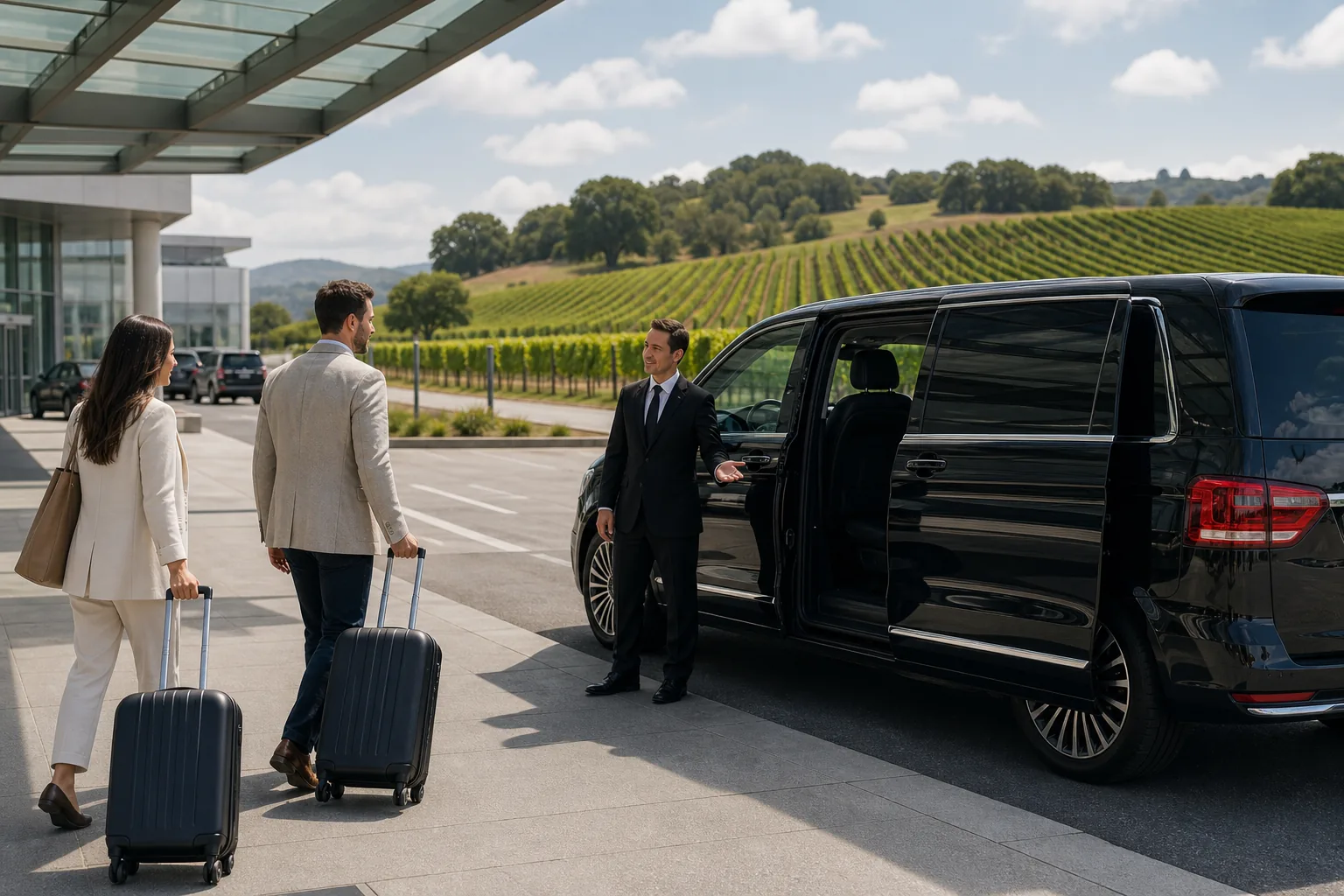
When the trip includes a flight, we’d rather build in extra time than promise a tight connection. Minneapolis Airport Car Service can coordinate the airport movement while you focus on the tasting plan. That is how luxury meets reliability.
FAQ
What should wine tour packages include?
Wine tour packages should clearly state transport, tasting fees, meals, guide service, lodging, and cancellation terms. Some include only a tasting and shared ride, while others add private access, a chauffeur-guide, or a full meal. Read each inclusion line before booking, then ask about anything marked “available” or “on request.”
How much do wine tour packages cost?
Wine tour packages can cost anywhere from a modest day-trip rate to several thousand dollars. Our review found listed prices from $74 to $5,000, with a median of $193. The final cost depends on privacy, duration, transport, meals, lodging, and winery access.
Are private wine tours worth it?
Private wine tours are worth considering when you value control, quiet, or a custom route. You can set the pace and avoid carrying strangers through each stop. They cost more per guest, but a small group may gain more time with the guide and less time waiting.
How many wineries should you visit in one day?
Four or five wineries usually gives a full day enough structure without making each stop feel rushed. Add drive time, lunch, and room for a late tasting. More stops can reduce the pleasure of the trip, especially when the route covers rural roads.
Do I need a chauffeur for a wine tour?
A chauffeur is the safest choice when guests plan to taste at several wineries. It lets everyone take part without assigning one person to skip the experience. Minneapolis Airport Car Service can also connect the airport, hotel, and tasting route in one managed schedule.
Conclusion
Choose the region that fits your taste, then compare the full cost and every transport detail. For a Minneapolis-based trip, we recommend reserving Minneapolis Airport Car Service before you lock in tasting times. Share your guest count, luggage needs, airport details, and preferred pace with us so we can help shape a smooth, reliable day.


