


Insurance is one detail that can disappear behind a polished vehicle photo and a flat-rate quote. In Minneapolis, providers describe who their rides suit, but their public materials don’t spell out insurance limits. We’ve put the main service choices first, then laid out what to ask before you book.
1. Minneapolis Airport Car Service
Minneapolis Airport Car Service is a chauffeured transportation provider for airport transfers and corporate events. It’s the first option we’d discuss with business travelers, corporate clients, or families who want a prearranged ride in the Minneapolis area.

Minneapolis Airport Car Service is fully insured. For any private transfer in Minneapolis, a service description doesn’t prove what a policy covers, so we recommend requesting a current certificate of insurance and asking the provider to confirm the vehicle and trip are covered.
Auto coverage requirements don’t tell you what limits a private transfer company carries. Ask the provider to confirm what coverage applies to your trip.
We also suggest comparing the pickup plan with the Minneapolis airport car service options we describe for travelers. Ask who dispatches the chauffeur, what vehicle class is booked, and how flight delays are handled. Our chauffeurs monitor your flight in real time, real-time GPS tracking lets you see exactly when we’ll arrive, and centralized billing keeps corporate trips on one account.
A good fit begins with clear answers, not a guess about coverage.
2. Detailed Drivers: Flat-rate Twin Cities and Rochester itineraries
Detailed Drivers is described as a choice for cross-city healthcare and corporate trips, including Twin Cities and Rochester itineraries. It may suit a traveler who values a flat-rate quote for a longer route.
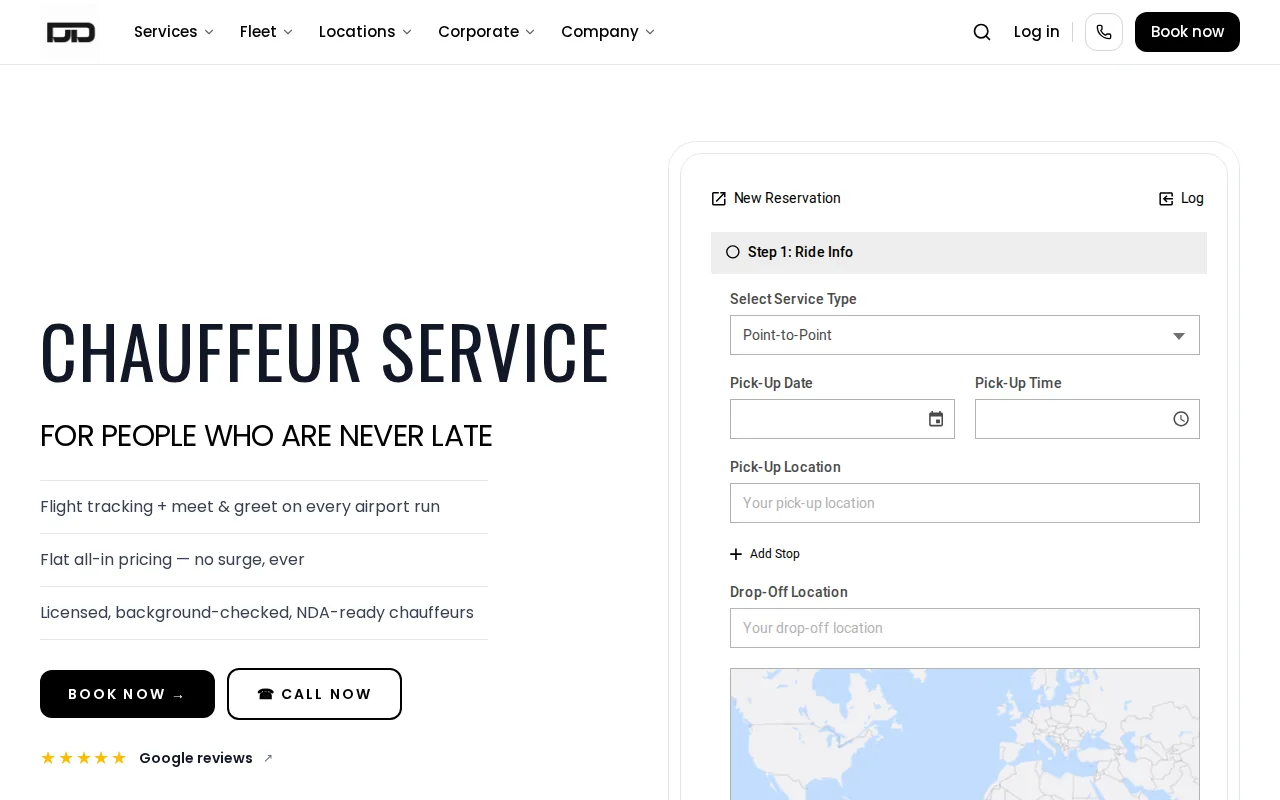
A flat rate makes the trip cost easier to plan. It says nothing, though, about commercial auto limits, passenger liability, or coverage for a vehicle supplied by a subcontractor. Ask whether the quoted service is operated by the company itself or another carrier. Then ask which business name appears on the insurance certificate.
For a Rochester itinerary, confirm whether the quote covers the full route, planned stops, waiting time, and the return leg. If a passenger needs a transfer between facilities, make sure the driver’s instructions and pickup locations are part of the written booking. Those details can help prevent confusion during a handoff, but they don’t replace proof of insurance.
Request a certificate of insurance before the trip. Check the named insured, policy dates, types of coverage, and limits. If your organization has contract requirements, send those to the provider before accepting a quote. Ask your broker or risk manager to review any wording that doesn’t match your company’s rules.
Choose this option based on its stated route fit, then make coverage a separate booking condition.
3. Black Car Service: Executive sedan point-to-point trips
Black Car Service is presented as an option for executive-sedan point-to-point travel, including trips where the traveler wants a confirmed flat-rate quote. It may fit a single executive who needs a direct transfer rather than a group vehicle.
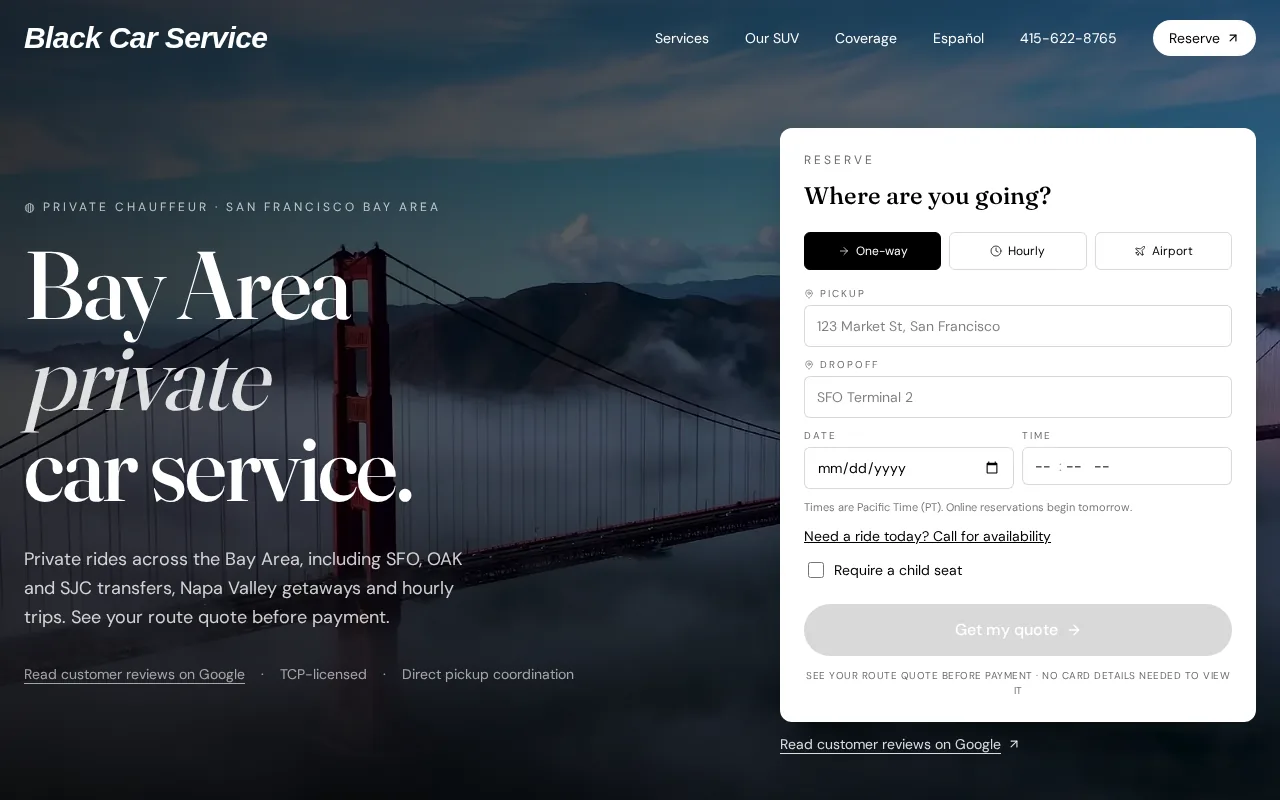
For this type of ride, ask whether the vehicle is owned by the provider or supplied by another operator. A reservation confirmation may name one company, while a different firm provides the car. You’ll want the certificate to match the party responsible for the ride, or to clearly show how the operating company is insured.
Personal auto policies and commercial auto policies can differ. A personal policy may limit or exclude some business use. Policy terms vary, so a driver using their own car for paid trips should tell their insurer exactly how the car is used. Review the policy and endorsements to determine what applies.
Ask the provider to separate the coverage answers. Does commercial auto liability cover bodily injury and property damage during the booked ride? Is uninsured or underinsured motorist coverage included? Does general liability apply to non-auto claims, such as an injury during boarding? Don’t assume one policy covers every part of the trip.
If the answer is only “we’re insured,” ask for the certificate and the limits.
4. Sprinter Van Rental: Group transfers and corporate offsites
Sprinter Van Rental is described as a fit for group movement, executive van days, corporate offsites, and multi-passenger Rochester transfers. It may work when a sedan would split a group across multiple vehicles.
Group bookings call for a few extra checks. Confirm the passenger capacity for the assigned vehicle, whether luggage affects that capacity, and whether one carrier handles every leg. A change in vehicle or operator can also change which policy applies, so request the coverage documents for the actual transportation provider.
Ask whether the van has commercial auto coverage for passenger transport. Then ask about the liability limit per person and per crash, plus any applicable umbrella or excess policy. Umbrella coverage may add limits above an underlying policy, but it doesn’t automatically fix exclusions or cover every claim. The insurer and policy wording matter.
If an employee brings equipment or event supplies, clarify what protection applies to those items. Cargo or carrier’s liability insurance generally concerns goods in transit. It isn’t a substitute for passenger bodily injury coverage. For expensive gear, ask your company’s property insurer whether its policy covers the items during transport.
For an offsite, put the vehicle type, operating carrier, route, and insurance confirmation in the same booking record. That makes it easier to spot a mismatch before pickup.
5. Blacklane: App-dispatched transfers for international arrivals
Blacklane is described as an option for international-arrivals continuity, including international patient transfers and app-dispatched cross-border travel. It may suit travelers who want a familiar booking process across more than one country.
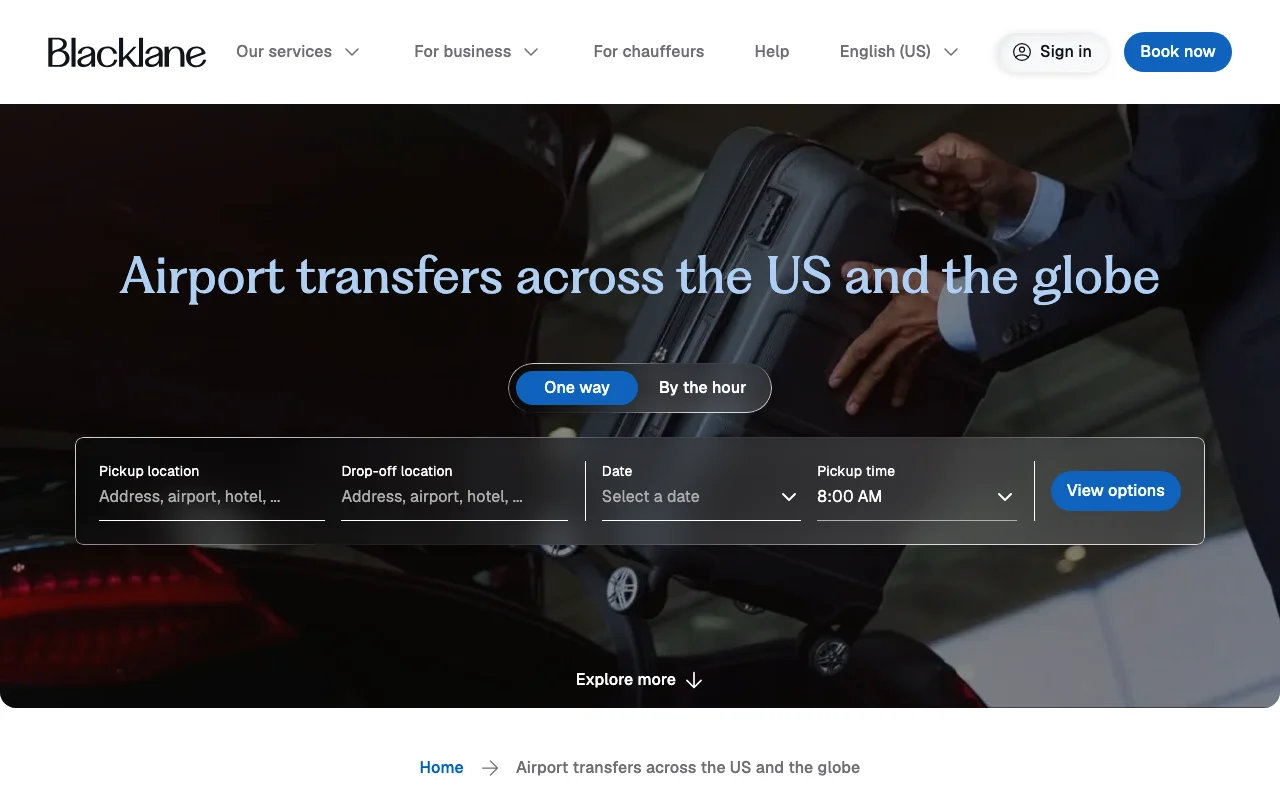
An app booking can make trip details easier to track, but it doesn’t answer which local company operates a Minneapolis ride. Ask who is responsible for the vehicle and chauffeur in Minnesota. Request the insurance certificate for the local operating carrier, not a general statement about service in other markets.
International patient transfers may include a hospital or clinic handoff. Confirm the pickup point, destination, passenger mobility needs, and whether the service is ordinary chauffeured transport. Don’t assume a standard car service provides medical care or special medical equipment. If a passenger needs those services, arrange a provider qualified for that level of support.
For an employer or travel desk, save the quote and insurance response with the trip record. Ask who will send updates if the arrival time changes and how the local operator can be reached through the booking channel. This matters when a traveler lands late and the person meeting them needs to know whether the ride is still assigned.
Use the app experience as a booking convenience, not as evidence of coverage.
Compare Minneapolis private transfer providers and verify coverage
Across the provider descriptions in this market, use cases are easier to find than insurance limits. Treat that gap as a reason to ask direct questions. It isn’t proof that a company lacks insurance, but it means you shouldn’t rely on a broad claim without seeing the policy details.
| Choice | Best stated fit | Public coverage limits | What to confirm before booking |
|---|---|---|---|
| Minneapolis Airport Car Service | Airport transfers and corporate events | Fully insured; ask for the limits | Certificate, operating carrier, commercial auto limits |
| Detailed Drivers | Twin Cities and longer cross-city itineraries | Not disclosed | Flat-rate inclusions, carrier identity, policy dates |
| Black Car Service | Executive sedan point-to-point trips | Not disclosed | Bodily injury and property damage limits |
| Sprinter Van Rental | Group travel and corporate offsites | Not disclosed | Passenger capacity, auto coverage, umbrella limits |
| Blacklane | International arrivals and cross-border continuity | Not disclosed | Local Minnesota operator and its certificate |
When you request a quote, share the trip date, route, passenger count, vehicle needs, stops, and whether the trip is for personal or business use. Ask for the total price and coverage documents together. Insurance cost can depend on vehicle type, passenger capacity, mileage, operating area, driving records, claims history, and the limits or deductibles selected. Only an insurer or broker can price a specific risk accurately.
For a small transport business, ask an independent commercial insurance broker about commercial auto, general liability, hired and non-owned auto, and umbrella or excess liability. Hired and non-owned auto coverage can address certain business liability claims involving rented or employee-owned vehicles. It usually doesn’t replace the vehicle owner’s policy or cover every loss to the vehicle itself.
Personal drivers doing rideshare work should also check the app period. Coverage can differ when the app is off, when the driver is waiting for a request, and after a trip is accepted. A platform policy may apply during certain periods, but limits, deductibles, and conditions vary. Tell your personal insurer about paid driving before relying on either policy.
General liability often addresses certain non-auto claims, such as bodily injury or property damage tied to business operations. Commercial auto is the policy to ask about for crashes involving a covered vehicle. Pollution, intentional harm, and some product-related claims may be excluded or need separate coverage. Read the actual policy, including endorsements and exclusions.
What to do if a transfer accident happens
First, get emergency help when needed and follow instructions from local authorities. Keep yourself and passengers out of further danger. Don’t argue about fault at the scene.
Once safe, record the time, location, vehicle details, driver and carrier names, and the names of witnesses. Take photos of the scene and damage if it’s safe to do so. Ask for the insurer and policy information, then notify your own insurer and the transportation provider promptly. Save receipts and medical records, and follow the claim instructions from the insurer.
FAQ: Insurance and liability for Minneapolis private transfers
What insurance is required for a vehicle in Minnesota?
Check current state guidance for Minnesota’s auto insurance requirements, including any required liability and other coverage. Legal minimums don’t confirm the limits carried by a private transfer company, so ask for its current certificate.
Does personal auto insurance cover paid passenger transfers?
Not always. A personal policy may exclude or limit coverage for paid transportation or other business use. The exact terms depend on the policy and any endorsements. Drivers should tell their insurer how they use the vehicle, then ask whether commercial coverage or a rideshare endorsement is needed before accepting paid trips.
What should I ask a Minneapolis car service about liability coverage?
Ask for a current certificate of insurance and confirm the named insured is the company operating your ride. Request commercial auto limits for bodily injury and property damage, plus details on uninsured motorist coverage. Ask whether general liability or umbrella coverage applies to the service. Have your company’s risk team review requirements before booking.
Does cargo insurance protect passengers?
No. Cargo or carrier’s liability coverage concerns goods carried in a vehicle, subject to the policy terms. Passenger injuries fall under different coverage, often commercial auto liability and applicable passenger protections. If a transfer includes work equipment or luggage with high value, ask separately how those goods are covered during the trip.
How much does private transfer insurance cost?
There isn’t one standard price. An insurer will consider factors such as vehicle type, passenger use, travel area, mileage, driver history, claims, limits, and deductibles. For an accurate quote, describe the exact service and vehicles. Compare the same limits and exclusions across quotes rather than choosing by premium alone.
Conclusion
We recommend starting with Minneapolis Airport Car Service for a local airport or corporate transfer, then confirming the operating carrier and its written coverage before you book. Send your route and passenger details with a request for the certificate of insurance. Clear paperwork makes the ride easier to approve and safer to plan.


