


The smoothest wine tours are built around logistics most guests never think to plan. Winery hours, travel time, meal breaks, and a safe ride home matter as much as the tasting list.
We’ll show you how to plan a wine tour step by step. You’ll choose the right region, reserve visits, set a workable pace, and arrange transportation that keeps the day smooth, safe, and enjoyable.
Step 1: Choose Your Wine Region, Dates, and Home Base
When we plan a wine tour, we start with the region and the shape of the trip. A beautiful map can still produce a poor itinerary if the wineries sit far apart.
Begin with your taste and your preferred pace. If you enjoy crisp whites, seek a region known for cool-climate grapes. If you prefer bold reds, look for warmer hills or high-elevation vineyards. Soil, climate, and elevation affect the wine, but they also affect the drive between stops.
Next, decide how many days you have. A single day calls for one compact area. A longer trip can support a second district, but we still suggest keeping one main base. A central base near wine areas such as Montepulciano or Siena can cut down on backtracking.
Choose dates after checking the region’s normal operating season. Some tasting rooms close on set weekdays. Others open only by appointment. Harvest periods can also bring busy roads and limited appointment slots.
We suggest writing down four details before you book anything:
- Your preferred wine styles.
- The number of full tasting days.
- Your lodging area.
- The latest time you want to return each day.
For a trip near Minneapolis, we can help you shape the transportation plan around your lodging and tasting route. Minneapolis Airport Car Service provides chauffeured transportation for guests who want the comfort of a private vehicle without assigning one person to drive.
We also recommend checking the region’s official tourism pages before choosing dates. For a plain-language overview of wine as a fermented drink made from grapes or other fruit, see Wikipedia’s wine reference. It’s a useful starting point when a group has different levels of wine knowledge.
Step 2: Build a Winery List and Reserve Tastings
To plan a wine tour well, build a longer winery list than you expect to visit. Then reserve only the stops that fit your route and pace.
We like to start with eight to twelve possible wineries for a two-day trip. That gives us room when a tasting room is closed, sold out, or too far from the next stop. Look for places that match the group’s interests. One group may want cellar history. Another may care more about food pairings or a small family-run operation.
Check opening days for every winery. Do not rely on a map listing alone. Regional guides repeatedly recommend checking current hours and contacting the winery before setting the route. A quick confirmation can prevent a long drive to a locked gate.
When you contact a winery, ask clear questions:
- Do we need an appointment?
- How long does the tasting last?
- Is food included or available?
- Can the winery welcome our group size?
- Are there arrival rules we should know?
In Italy, reservations are often expected rather than optional. Visits may include a tour, food, or a longer conversation with the staff. That means a tasting can take more time than a quick flight at a wine bar. We build the schedule around the appointment, not the other way around.
Use a simple planning sheet with five columns: winery, date, appointment time, drive time, and confirmation status. Keep the confirmation email or message in the same folder. If a winery has not replied, treat that stop as unconfirmed.
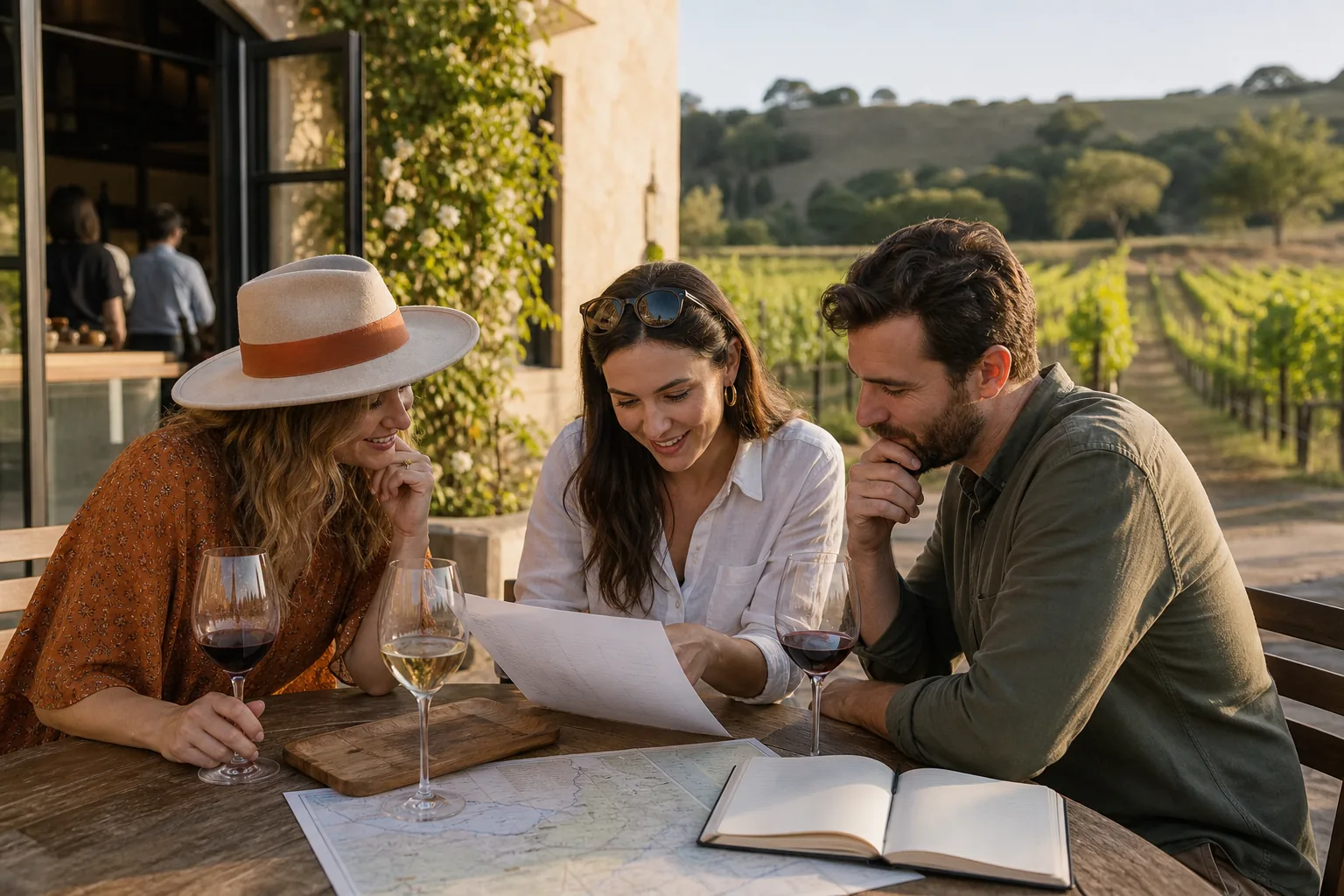
We also avoid packing every day with famous names. Smaller wineries may require more planning, but the visit can feel calmer and more personal. The best list is the one your group can enjoy without watching the clock.
Step 3: Arrange Transportation and Overnight Stays
Transportation decides how relaxed your wine tour feels. We arrange the ride before finalizing the tasting schedule, because the route sets the day’s limits.
There are three main choices. You can drive a rental car, hire a chauffeur, or book a guided tour that includes transportation. A rental car gives you control, but one person must remain responsible for the road. In Tuscany, a one-way rental can also make sense when the route crosses the region. It avoids returning to the first pickup point.
A chauffeur works well when everyone wants to taste. The driver handles the roads, parking, and timing while guests talk or rest between visits. A professional vehicle also keeps the group together. That matters for corporate outings, family trips, and milestone celebrations.
For Minneapolis-area guests, Minneapolis Airport Car Service can coordinate a private chauffeur around the pickup address, winery stops, and return time. Our fleet is suited to small groups and larger parties, while real-time GPS tracking helps guests follow the ride plan. We keep the experience polished without making the day feel stiff.
Book early when your trip falls on a weekend, holiday, or busy harvest period. Share the full route with the transportation provider. Include:
- Pickup location and preferred departure time.
- Every confirmed winery address.
- Expected tasting duration.
- Meal stops or dietary needs.
- Return location and latest arrival time.
Then choose overnight stays close to the tasting area. A central home base can save more time than adding another winery. Guests who stay far away often spend the first and last part of each day on roads instead of at the vineyard.
We also suggest planning the return before the first tasting. If the group chooses a rental car, assign a sober driver before leaving home. If no one wants that job, book a chauffeur. That decision is easier when made early.
Step 4: Create a Realistic Day-by-Day Wine Tour Itinerary
A good wine tour itinerary leaves room for the visit itself. We plan fewer stops than the map suggests, then add time for meals and delays.
For most private winery visits, two tastings in one day is a sound starting point. Set one appointment in the morning and another in the afternoon. That leaves space for lunch, a slow conversation, or a late departure from the first stop.
Start with the farthest appointment if the route requires it. Then work back toward the overnight base. This plan reduces the risk of ending the day on an unfamiliar rural road. It also gives the group a clearer return time.
Build each day in blocks:
- Pickup and travel to the first tasting.
- Morning appointment with a buffer after it.
- Lunch near the next stop.
- Afternoon appointment.
- Return ride with time for a short pause.
Add a buffer between every major block. A tasting may run long when the host explains the cellar or pours a special bottle. A narrow road may also take longer than a map predicts.
We use a simple rule: never schedule the next appointment at the earliest possible arrival time. If the first visit ends at noon, do not book the next one for 12:15. Give the group time to leave, load bags, find the entrance, and settle in.
Lunch deserves a real place in the plan. Food helps keep the day comfortable, and many winery visits include regional dishes or small bites. If the group has dietary needs, confirm them before arrival rather than hoping the tasting room can adjust on short notice.
Regional details change the plan. Small French producers may welcome guests by appointment and have little room for walk-ins. A vineyard on steep roads may need more travel time than a larger estate near a main route. A guided tour can make sense when language, access, or local history would be hard to manage alone.
Keep the final day light if guests have a flight or a long drive afterward. A short tasting near the lodging area is safer than a distant appointment that creates a race to the airport.
Step 5: Confirm Logistics, Budget, and a Safe Ride Home
The final step in planning a wine tour is a full confirmation check. Confirm the key details before departure.
First, confirm each tasting. Ask about arrival time, guest count, cancellation terms, and payment method. Recheck the address, since some tasting rooms use a farm entrance that differs from the mailing address.
Next, confirm the transportation plan. Give the chauffeur the final appointment list and any timing changes. At Minneapolis Airport Car Service, we can use real-time updates to keep the pickup plan clear when traffic or a tasting delay changes the schedule. Our goal is simple: luxury meets reliability, with less work for the guests.
Set a budget that includes more than tasting fees. Add room for:
- Transportation and driver gratuity.
- Lodging near the wine area.
- Meals and snacks.
- Wine purchases or shipping.
- Parking, tolls, or route changes.
Ask whether tasting fees apply toward bottle purchases. Policies vary, so we never assume. We also suggest bringing a secure way to carry bottles and checking airline or shipping rules before buying more than the group can take home.
Safety comes first. Alcohol can affect reaction time, judgment, and coordination before a guest feels impaired. General drunk-driving guidance explains why drinking and driving are incompatible. General impaired-driving guidance also treats alcohol-impaired driving as a preventable road risk.
That is why we prefer a professional chauffeur for a full tasting day. No guest has to count glasses, limit the group’s choices, or make a difficult drive home. Minneapolis Airport Car Service can handle the route while guests focus on the people and the place.
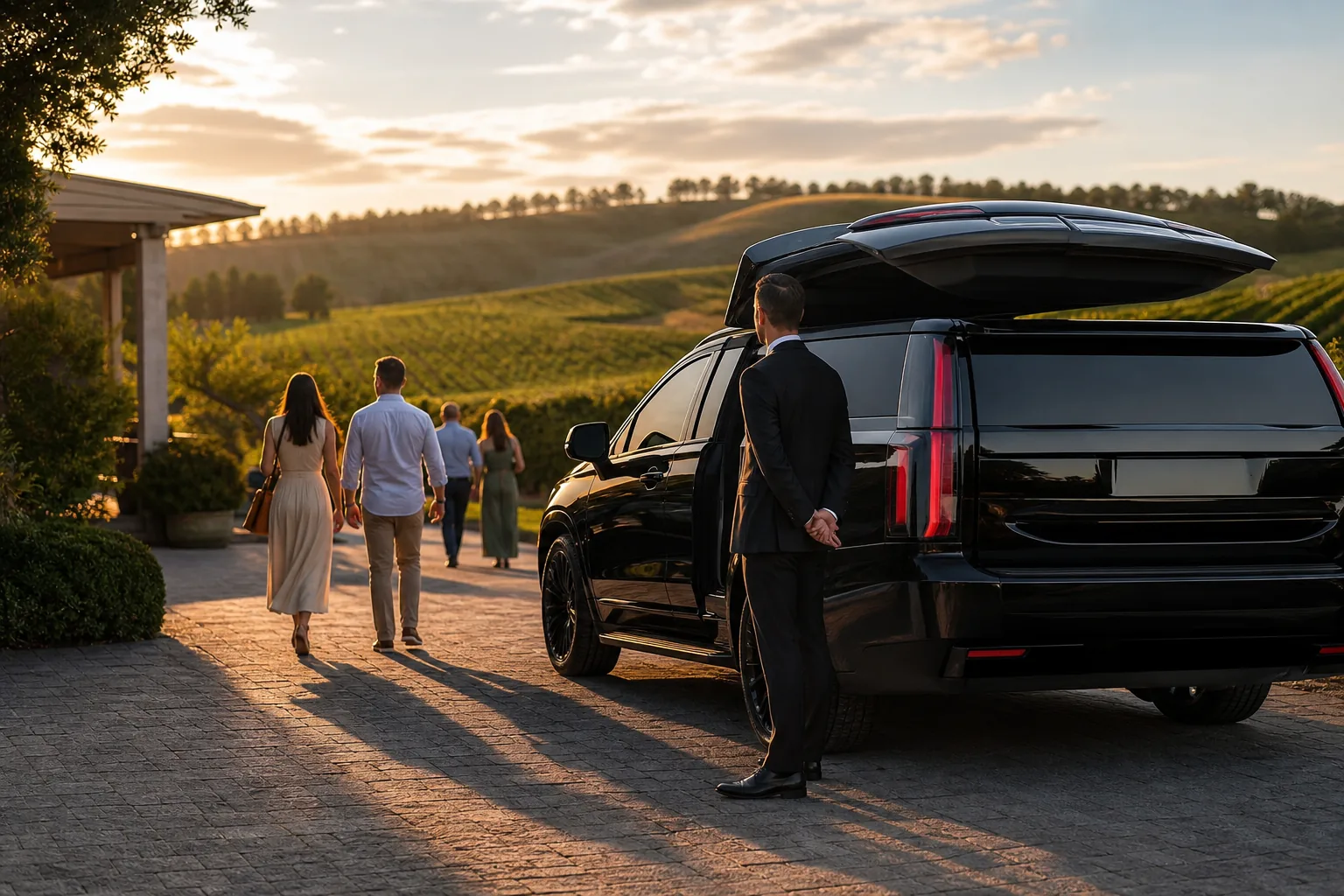
Before departure, send the final plan to every guest. Include the pickup time, dress notes, meal plan, luggage limits, and emergency contact process without placing private details in public messages. A shared itinerary keeps the day calm when someone misses an update.
For guests comparing transportation styles, our guide to wine tour packages and transportation plans can help you compare a private chauffeur with other arrangements. Choose the option that leaves the group relaxed at the last stop, not anxious about the road home.
Frequently Asked Questions About Planning a Wine Tour
How far in advance should I plan a wine tour?
Plan a wine tour several weeks ahead when you need weekend appointments or private transportation. Start with the region and lodging, then reserve the most important tasting. Keep backup wineries on your list because some venues close on certain weekdays or accept guests by appointment only.
How many wineries should you visit in one day?
Two wineries in one day is a comfortable plan for most guests. Each visit may include a tour, conversation, food, or a cellar walk. Adding more stops can make the day feel rushed, especially when roads are rural or appointments run long.
Do I need a designated driver for a wine tour?
Yes, you need a sober driver or professional chauffeur if guests plan to taste wine. Assigning one guest to drive can limit that person’s experience and still leave the group responsible for unfamiliar roads. A private chauffeur lets everyone enjoy the visit without making a risky trip home.
Should I stay near the wineries?
Staying near the wineries usually makes the tour easier. A central home base cuts down on daily drive time and gives the group a shorter return after the last tasting. We suggest choosing lodging near the main wine area instead of chasing a distant hotel with a lower nightly rate.
What should I ask a winery before booking?
Ask about appointment times, visit length, group size, food, fees, payment, and cancellation rules. Confirm the exact entrance address as well. When you plan a wine tour around written confirmations, you have fewer surprises and a clearer route for your driver.
Conclusion
Plan the region and home base first, confirm every tasting, then secure a sober driver before you fill the calendar. For a polished day near Minneapolis, Minneapolis Airport Car Service can handle the road while you enjoy the wine and company. Start by choosing your preferred tasting area and send us the route when you’re ready to shape the ride.


